A linen tablecloth with a faint ring where a glass once stood. A tray cloth embroidered by a great-aunt, its edges turning gently brown. Lace that has been in the family so long that nobody remembers whose it was. The instinct is to wash it, and to wash it hard. That is usually the mistake. Old cloth has already survived decades of light, handling and laundering. Its fibres are weaker than they look and its dyes may be far less stable than they seem. What follows is the approach textile conservators take, scaled down for a kitchen sink and a spare bedroom.
Look Before You Wash
Put the piece on a clean white sheet in good daylight and study it before water goes anywhere near it. Look for splits along fold lines, areas that feel thin or powdery, and the characteristic weakness of early twentieth-century silk that was weighted with metallic salts to give it body; such fabric can shatter in the hand. Check for rust marks left by forgotten pins, and for little beads of green or black tarnish on metal threads.
Then test the dyes. Dampen a white cotton bud and press it gently against a hidden seam or hem, and against the darkest colour. If any colour transfers to the bud, that piece does not get washed — not in cold water, not with salt, not with vinegar. Photograph it first, too. A before picture is useful if something shifts, and it helps you notice a loose trim you might otherwise have missed.
When Not to Wash at All
Some pieces should never be immersed. If a textile falls into any of the following groups, stick to surface cleaning, gentle airing and good storage.
- Anything with unstable dyes, as revealed by your cotton bud test.
- Pieces with real metal thread, sequins, beads, painted decoration or applied trims held with old adhesive.
- Silk of any kind, and especially silk that has shattered or lost its strength.
- Fragile bobbin lace, worn embroidery, or anything with a loose, unrepaired tear.
- Wool that has felted, and any garment with a lining, padding or stiff interlining you cannot inspect.
- Pieces of genuine historical or family significance. If it might belong in a museum, ask a qualified textile conservator before you do anything.
Wet cloth is heavy cloth. The most common cause of damage is a fragile fibre asked to carry its own weight.
Hand Washing, Done Properly
If a piece is sturdy, washable and simply grubby, hand washing is the only method worth using. Machines, even on a delicate cycle, subject cloth to friction and spin that old fibres cannot take.
- Use soft water if you can — filtered or distilled is worthwhile in hard-water areas. Warm it slightly, no hotter than your hand can comfortably bear.
- Add a small amount of pH-neutral, non-biological detergent, or a specialist textile wash. No bleach, no fabric conditioner, no enzyme powders and no stain removers.
- Line the basin or bath with a clean white sheet, or use a shallow plastic tray, so the fabric is supported rather than dragged.
- Lower the piece in and let it soak for ten to twenty minutes, pressing it gently with flat hands. Do not rub, scrub, wring or leave it overnight.
- Lift the piece out on its supporting sheet, drain the water, and refill at the same temperature. Repeat until the water runs clear. Support it with both hands at every stage.
- For a stubborn mark, repeat a gentle soak rather than attacking the stain. Most old discolouration is oxidised grime, and patience lifts more of it than scrubbing ever will.
Drying and Pressing
Never wring a wet textile and never hang it by one corner. Lay it flat on clean white towels, roll the whole thing up loosely to blot the worst of the water, then unroll and lay it out again on dry towels. Change the towels as they dampen. Dry indoors in the shade, away from radiators, direct sun and open fires. A little air movement is helpful; a hot radiator is not.
Press only when the cloth is barely damp or fully dry, and always on the reverse. Use a low setting, with a clean white cotton cloth between iron and fabric, and keep the iron moving. Linen will take more heat than silk, which needs the lowest setting you have. Do not use spray starch — it yellows over time and attracts insects. Never iron directly over embroidery or metal thread; press around it, and pad underneath with a folded towel so the stitching is not crushed flat.
Storing Old Linens So They Survive
Most damage happens in storage, quietly, over years. Keep textiles in a cool, dark, dry room with a fairly steady temperature. Lofts fluctuate wildly and cellars are damp, so a spare-room cupboard is usually better than either.
Avoid
- Plastic bags, bin liners and vacuum storage bags, which trap moisture.
- Cardboard boxes, wooden shelves and chipboard, which are acidic and release fumes.
- Pins, staples, rubber bands and sticky tape, all of which leave permanent marks.
- Scented sachets, and anything perfumed touching the fabric.
- Folding along exactly the same line year after year.
Use instead
- Acid-free tissue paper and acid-free boxes, or washed cotton sheeting and unbleached calico.
- Crumpled tissue padding along every fold, so creases are rounded rather than sharp.
- Rolled storage for large tablecloths, around an acid-free tube or a padded roller.
- A paper label written in pencil, tucked beside the piece rather than attached to it.
- Flat storage where possible, with heavier pieces at the bottom and nothing pressing down on lace.
Displaying Lace, Embroidery and Tablecloths
Light is the enemy that does the most harm and gets the least attention. Ultraviolet fades dyes, weakens fibres and cannot be reversed. Keep displayed textiles out of direct sun, rotate them every few months, and consider UV-filtering film on nearby windows. If you frame a piece, have it mounted on acid-free board with a gap between textile and glass, and use a framer who works with textiles. Ordinary tape and spray adhesive will stain within a decade.
Using a tablecloth is not a crime; cloth was made to be used. Put a plain cloth underneath a lace one, rotate what you put out, and keep everything away from kitchen steam, candles and log burners, which deposit fine soot that is very hard to remove. Dust lace with a soft brush over a sheet of mesh, or vacuum through the mesh on the lowest setting with a piece of clean tights over the nozzle — never let the nozzle touch the fabric. If a piece smells musty or shows mould, deal with it outdoors, keep it away from the rest of your collection, and seek advice before storing it again.
A Ten-Minute Yearly Check
Once a year, take each stored piece out, unfold it somewhere clean, and let it breathe for an hour or two in a shaded room. Look for new creases, insect damage, damp patches or marks that have appeared. Refold it along different lines, replace any tissue that has creased or discoloured, and write a short note of anything you notice. That small ritual is the single most useful thing you can do for old cloth — it catches problems while they are still small, and it keeps you acquainted with what you own.
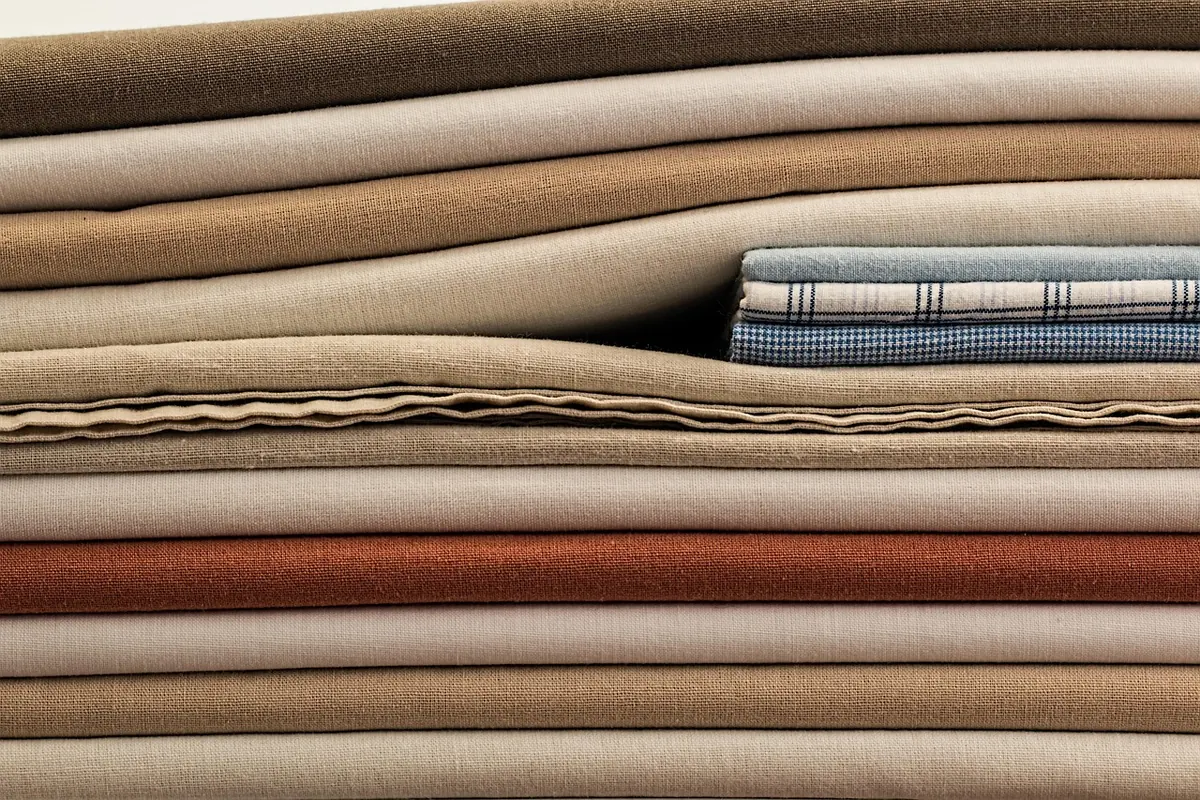
Photo: stevepb / Pixabay