A cabinet of curiosities does not need a mahogany case or a country house. A shelf, a glass dome and a handful of odd objects with a story will do. The pleasure lies in the hunt: learning to recognise a good fossil or a hand-written Victorian label, and knowing how to buy it legally, look after it properly and pass it on in better condition than you found it.
Beginners often imagine that collecting requires deep pockets or specialist knowledge. In practice, it requires patience and a willingness to ask questions. A single well-chosen object—a shark tooth from a Norfolk beach, a geological hammer from a house clearance, a pressed sea fern with its original label—can teach you more than a cabinet full of random purchases. The aim is not to accumulate stuff but to build a small, coherent world that rewards looking closely.
What Counts as a Curiosity
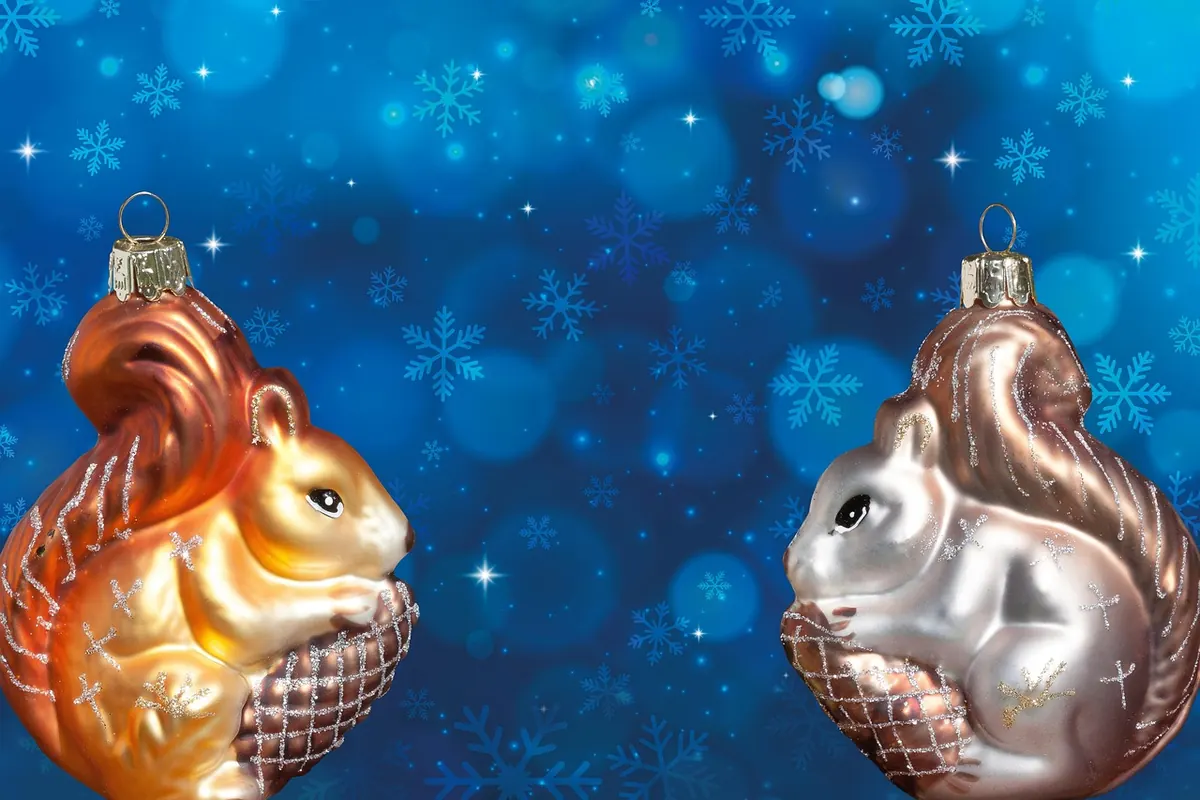
Almost anything can be a curiosity if it makes you ask a question. Natural history is where most people begin: minerals, fossils, pressed seaweed, insect specimens, a squirrel in a glass case. Then come the man-made oddities, such as apothecary jars, memento mori, measuring instruments, travelling medicine chests and ethnographic pieces with clear provenance. The thread is not the material but the curiosity value: an object slightly out of place and worth a second look. Most collections begin by accident. You buy one ammonite on a beach in Dorset, and within a year you are comparing display cases on a Sunday evening.
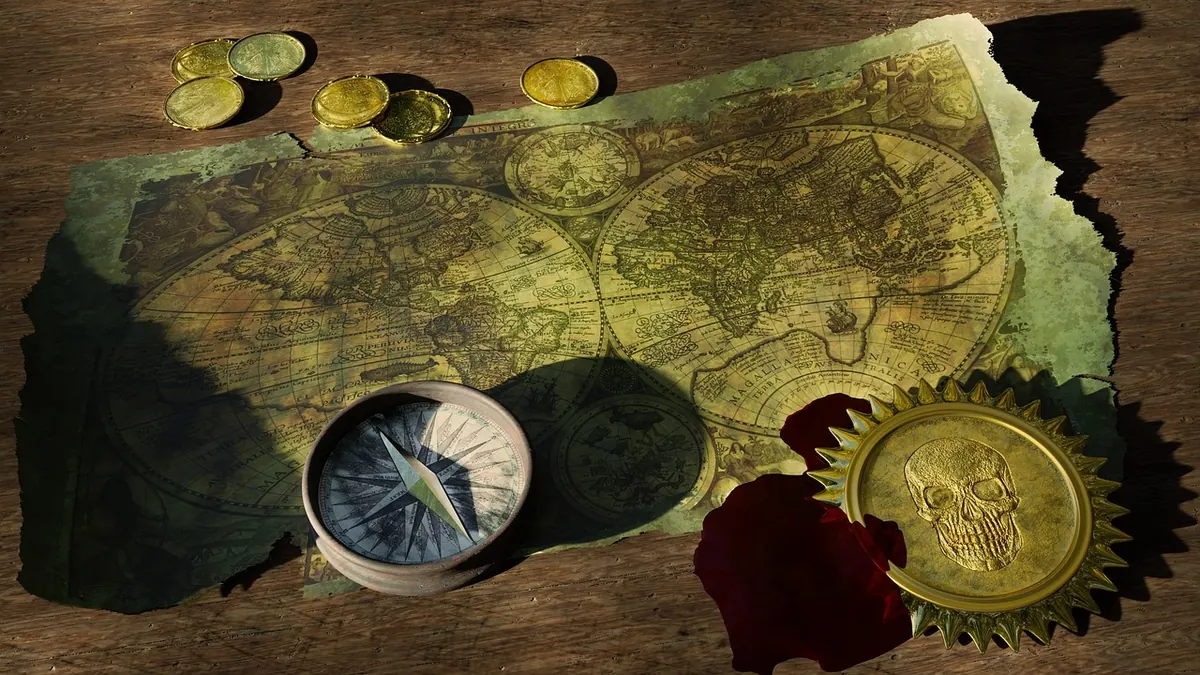
The best curiosities tend to have layers. A fossil is not just a fossil: it has a species, a geological period, a locality and a preparator’s skill. A taxidermy case is not just a bird: it has a taxidermist, a fashion for natural history, a Victorian parlour and a later history of neglect or care. A pocket globe is not just a sphere: it shows a vanished geography and a maker’s attempt to fit the world into a hand. When you start seeing those layers, ordinary objects become strange again.
What You Can Legally Buy in the UK
This is the part that trips up new collectors. Curiosities sit across several pieces of legislation, and "it's antique" is not a defence.
- Ivory. The Ivory Act 2018 bans dealing in most items containing ivory. A small number of exemptions exist, including certain pre-1975 musical instruments, portrait miniatures and items of low ivory content, and they must be registered before sale. Check the current rules directly rather than relying on a dealer's memory.
- CITES. Tortoiseshell, whale bone, rhinoceros horn, some corals, certain hardwoods and many reptile specimens are covered by CITES. Genuinely antique worked items can sometimes be exempt, but you need paperwork to prove it, and commercial trade in some species is prohibited outright.
- Taxidermy and birds. Most British wild birds are protected, and selling their specimens or eggs without the correct documentation is an offence. Victorian cases of British birds turn up regularly and are often legitimately old, but the burden falls on the paperwork, not the age.
- Human remains. Displaying human remains to the public can require a licence under the Human Tissue Act 2004 in England, Wales and Northern Ireland; Scotland has its own arrangements. Buying and selling remains for display is restricted, and the ethical questions matter as much as the legal ones.
- Archaeology. Material from scheduled monuments, or finds that should have been reported under the Treasure Act 1996, should be left well alone. Exporting cultural objects from the UK may require a licence.
That is a general sketch rather than legal advice. Rules change, and they can differ across the four nations, so if a purchase matters, check with the relevant authority, a specialist dealer or a solicitor before money changes hands. If you are buying from abroad, remember that import rules may be stricter than domestic ones, and customs can seize items that lack the right permits.
Buying Ethically: Questions to Ask
A legal object can still be a poor buy. Ethics in this hobby come down to provenance and the questions you are willing to ask out loud.
- Where did it come from? A named collection, an old auction catalogue or a dealer's written note is worth far more than a vague "from a house clearance".
- Is it a modern reproduction? Plenty of natural history pieces on the market are cast resin. That is fine if it is sold as such and priced accordingly.
- What species is it, and how was it obtained? Anything suggesting a recently wild-taken animal or a rare species should make you walk away.
- Would it be legal to sell on? If you cannot answer that, neither can the next owner.
- Will the seller put it in writing? A dated invoice with a description, species and any permit numbers is your proof and your insurance record.
Ethical buying also means thinking about where an object came from before it reached the market. A piece with a documented chain of ownership is not only safer to buy; it is more interesting. Ask whether the seller knows the previous owner, whether there are old labels or auction lot numbers, and whether the object was collected at a time when such collecting was legal. If the answer is a shrug, treat the object as unprovenanced and price it accordingly.
Some purchases are not worth the risk, however tempting. Walk away if the seller cannot explain the object’s origin, if the price is suspiciously low for something rare, if the species is protected and the paperwork is missing, or if you feel pressured to decide on the spot. Human remains and archaeological material deserve particular caution. Ask yourself whether the object should be in a museum, a community collection or a place of remembrance rather than a private shelf.
Where to Find Curiosities
Good pieces are not evenly distributed. Half the skill is knowing which room to stand in on a Saturday morning.
- Provincial auction houses. Country sales mix boxes of fossils in with the furniture. Read the online catalogue, request a condition report and remember the buyer's premium.
- Specialist dealers and fairs. The oddity trade has genuine experts. A good dealer will tell you what something is, what it is not, and how to look after it.
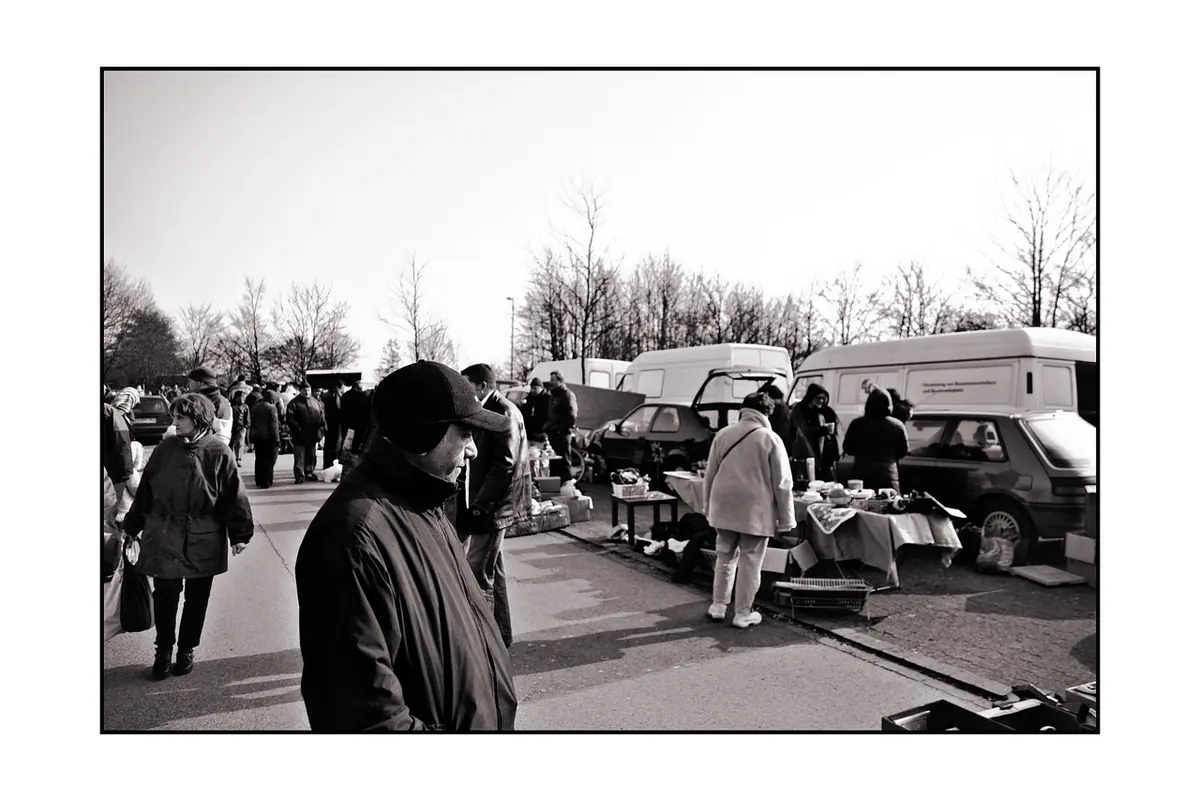
- Antique markets. Newark, Ardingly, Kempton Park, Portobello and Bermondsey all throw up curiosities. Go early, take cash and look in the boxes under the tables.
- House clearances and charity shops. Cheap, unpredictable and occasionally astonishing. Learn what you are looking at before you buy, and never be afraid to ask for a second opinion.
- Online auctions and specialist forums. Forums, society sales and auction sites can connect you with objects you would never find locally. Check seller feedback, ask for extra photographs and pay by a method that offers protection.
Looking After Your Collection
Once objects are in your care, they need more than a shelf. Light, humidity, pests and handling are the main enemies. A few simple habits will prevent most damage.
- Control light. Direct sunlight fades paper, textiles, feathers and fur. Use blinds, UV-filtering film or display cases with glazing that reduces ultraviolet light.
- Stabilise humidity. Sudden damp can cause mould; dry air can crack ivory, bone, wood and some minerals. Aim for a stable, moderate environment rather than a sealed, stuffy box.
- Handle with care. Use clean, dry hands or nitrile gloves for metals and photographic materials. Support fossils and minerals from below, not by protruding parts.
- Use safe materials. Acid-free tissue, polyethylene bags and inert foam are better than newspaper, cling film or old cardboard. Newspaper can transfer ink and acid.
- Watch for pests. Wool, fur, feathers and dried plants attract clothes moths and carpet beetles. Inspect new acquisitions, isolate them for a few weeks and keep cases clean.
A glass dome or a simple cabinet keeps dust off and makes labelling easier. Do not overcrowd. Leave space around objects so you can pick them up without knocking their neighbours. For taxidermy, avoid hot radiators and damp walls. For fossils, keep the original label with the specimen—even if it is fragmentary, it is part of the object’s history.
Recording and Research
A collection without records is just a pile of things. Start a simple catalogue from day one. Give each object a number, write a short description, note the date and place of purchase, what you paid, and any provenance the seller supplied. Photograph the object from several angles and keep the images with the record. If there is a label, photograph that too.
Research turns a curiosity into a collection. Identify minerals by hardness, lustre and crystal form. Learn the basic periods for fossils and the common species in your area. Look up makers’ marks on instruments and pottery. Join a local natural history or antiquarian society; members often know far
Photo: Juliana Polizel / Pexels